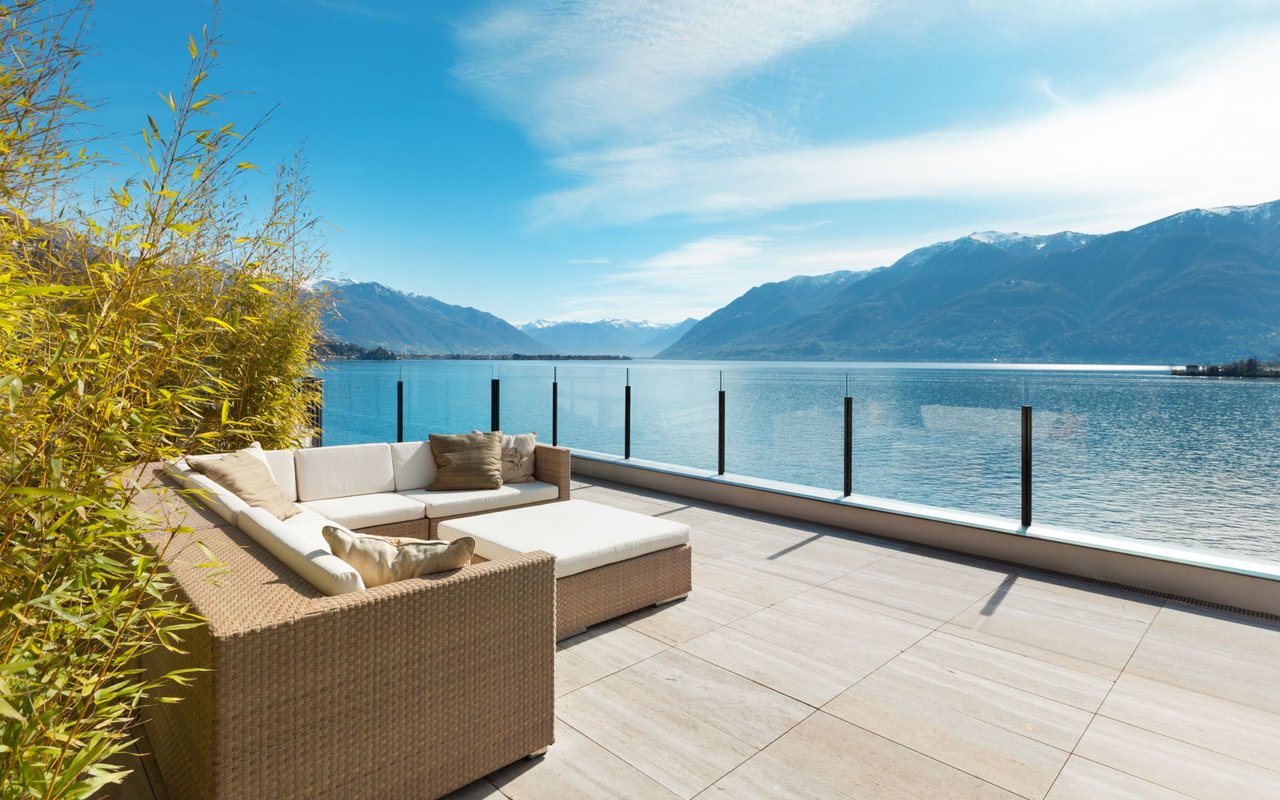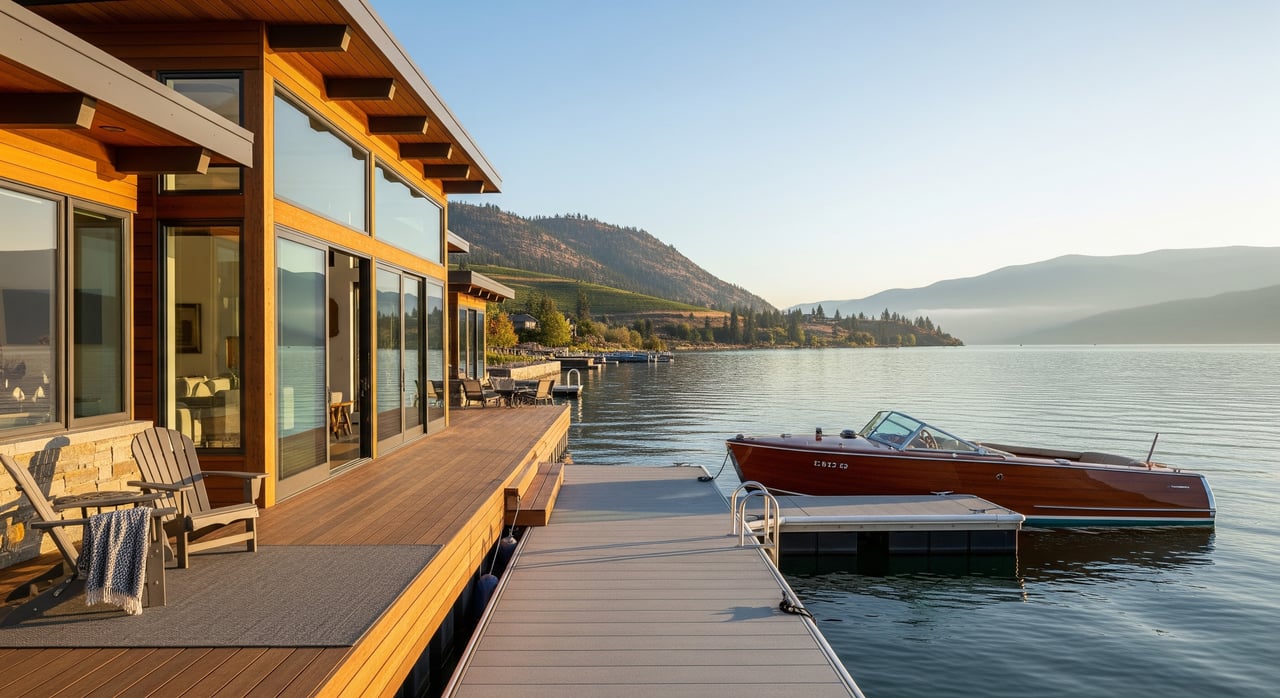
Picture morning coffee on your own dock, glassy water, and a quick launch to explore Lake Chelan. If you are buying waterfront for the first time, the details can feel overwhelming. You want the right home, the right moorage, and a smooth path from offer to closing. This guide walks you through the essentials for Lake Chelan Hills and nearby shoreline, with local checklists, due diligence tips, and what to verify before you write an offer. Let’s dive in.
Why Lake Chelan Hills stands out
Lake Chelan Hills sits along Lake Chelan in unincorporated Chelan County near the City of Chelan. You get easy lake access and a neighborhood setting that appeals to second‑home buyers. Compared with mid‑lake or north‑lake areas, you are typically closer to services, marinas, and town conveniences.
Community rules can vary by plat or homeowners association. That means rental rules, design guidelines, and dock usage can differ from one street to the next. Always review recorded covenants, conditions, and restrictions and ask for any community dock policies before you commit.
What makes waterfront different
Waterfront ownership comes with unique legal, physical, and regulatory factors. Understanding these early will save you time and reduce risk.
Ownership lines and OHWM
- In Washington, many waterfront rights hinge on the Ordinary High Water Mark, often called OHWM. Your private ownership typically ends near that line, and public trust interests may begin.
- Ask for a current survey that shows property corners and the OHWM. Boundary lines at the water can be ambiguous without a professional survey.
- Title, easements, and prior shoreline permits can shape your use. Confirm where any shared paths, access easements, or view corridors exist.
Docks and moorage basics
- Moorage can be private, shared with neighbors, or through a community facility or nearby marina. Clarify the type you are buying and whether it transfers with the property.
- Docks, boat lifts, and shoreline stabilization usually require permits. Confirm the status of all existing permits and any state leases tied to in‑water structures.
- Plan for lifecycle costs. Dock piles, floatation, decking, and lifts have finite service lives. An inspection and replacement estimate will help you write a better offer.
Shoreline rules and permits
- Chelan County’s Shoreline Master Program sets rules for setbacks, vegetation, and shoreline structures. New bulkheads are often limited and may require mitigation.
- Work below the OHWM or near fish habitat usually needs Hydraulic Project Approval through state agencies. Expect permit review for repairs, replacements, or changes.
- Septic and water quality protections matter on the lake. Expect standards for system placement, stormwater, and landscaping that preserve the shoreline.
CCRs, HOAs, and community docks
- Many lake neighborhoods use CCRs to address dock use, maintenance, rental rules, and architectural guidelines.
- Ask about community dock waiting lists, moorage assignments, and how maintenance costs are shared.
- Read for view corridors, height limits, and exterior design standards that could affect future plans.
Maintenance, insurance, and operating costs
- Waterfront adds upkeep: seasonal storm wear, dock maintenance, winterizing, and possible shoreline erosion control.
- Insurance premiums can be higher than upland homes. If any part of the property sits in a mapped flood zone, flood insurance may be required.
- Confirm road maintenance obligations, winter access, and whether the home is on a community water system or a private well.
Financing and appraisals
- Lenders look for waterfront comps, which can be limited. Work with teams familiar with Lake Chelan to avoid delays.
- Some lenders request added inspections, such as septic, water quality, or specialized dock reviews. If there is a state lease under a dock, they will scrutinize it.
- Pre‑clear your scenario with a lender early so your timeline matches your offer strength.
Your on‑site touring checklist
Bring this checklist to showings and boat tours so you do not miss key items.
Property and shoreline basics
- Ask for a survey that marks corners and the OHWM. Look for markers and compare to fences or landscaping.
- Note shoreline type: natural bank, rock riprap, bulkhead, or bluff. Look for active erosion.
- Check access: steep driveways, private road quality, parking for guests, and seasonal gates.
Dock and moorage review
- Ownership and documents: request dock plans, permits, and any state lease or approval numbers.
- Condition: inspect pilings, floatation, decking, fasteners, and lift hardware. Look for rot, UV wear, or piling damage.
- Safety and function: check cleats, lighting, electrical service, ramp angle, and handrails.
- Nearby moorage: note spacing to adjacent docks for privacy and your typical watercraft.
Structural and site risk checks
- Scan for slope movement: cracked retaining walls, tilted trees, or lawn slumps near the water.
- Examine bulkheads and riprap for bulges or displacement.
- Look for high‑water debris lines. Plan to confirm with flood mapping and local history.
- Consider wildfire access and defensible space. Confirm egress routes during peak summer.
Utilities, septic, and water
- Identify water source: community system or private well. If a well, ask for logs and any recent pump test.
- Septic: gather age, type, and service records. Ask about any transfer inspection requirements.
- Power and broadband: verify capacity and providers. Shoreline topography can limit options.
Views, orientation, and microclimate
- Sun and wind exposure affect comfort and boating. Lake Chelan can funnel afternoon winds, so note typical patterns.
- Observe possible view obstructions from current or future vegetation. Check CCRs for view standards where applicable.
- Consider seasonal sun angles for patios, decks, and glazing.
Neighborhood and lake‑use patterns
- Summer boating activity can vary by cove. Note wake impacts and nearby launch congestion.
- Proximity to town services matters for guests and rentals. Estimate drive times to groceries and medical care.
- Short‑term rental rules can differ by parcel. Count nearby rental signs and plan to confirm regulations.
Offer strategy for first‑time waterfront buyers
A strong offer balances speed with smart protections that address waterfront specifics.
Pre‑offer prep
- Engage a local waterfront specialist early. You will get current comps, local norms, and insight into CCRs and permitting.
- Request a preliminary title review. Ask the title officer to flag recorded dock agreements, state leases, and access easements.
- Talk with lenders who understand waterfront. Align pre‑approval with your property type and price range.
Smart contingencies to consider
- Survey contingency for an OHWM and boundary survey by a licensed surveyor.
- Dock and shoreline feasibility to confirm permits, transferability, and replacement options if needed.
- Title and easement review to resolve any leases, shared access, or restrictive covenants.
- Septic and well inspection, including water quality and pump tests where applicable.
- Specialized dock or marine inspection for remaining life and cost estimates.
- Insurance review window for homeowners and, if needed, flood insurance quotes.
- Environmental and permit review against county shoreline rules and state approvals.
Specialists to have on call
- Licensed land surveyor with OHWM experience.
- Marine contractor or structural engineer for docks and lifts.
- Geotechnical engineer for bluff or steep sites.
- Certified septic inspector and well professional for testing and reports.
- Land‑use attorney for complex easements or leaseholds when needed.
Timing and negotiation tips
- Waterfront homes can draw multiple offers. Strong pre‑approval and a clear plan for inspections improve your position.
- Protect the must‑have contingencies. Waiving septic, OHWM survey, or dock permit checks can lead to costly surprises.
- Set realistic timelines. Specialized inspections can take longer in peak seasons.
Where to verify details locally
When you find a property you love, verify the specifics with authoritative local sources.
- Chelan County Planning and Building: shoreline rules, permits, zoning, and mapping.
- Chelan County Public Health: septic system requirements, transfer inspections, and well safety guidance.
- Washington Department of Ecology: Shoreline Management Act framework and water quality resources.
- Washington Department of Fish and Wildlife: Hydraulic Project Approval for in‑water work and habitat protections.
- FEMA Flood Map Service Center and Chelan County GIS: floodplain, steep slope, and landslide hazard mapping.
- County Recorder and Assessor: deeds, easements, CCRs, plats, and tax records.
- Local real estate market data: NWMLS and local appraisers for waterfront comps and trends.
- Lake Chelan Association and local marina operators: lake‑use norms, boat traffic patterns, and community dock practices.
Quick budget planner
Use this list to frame your first‑year and ongoing costs. You can refine numbers once you identify a specific property.
- Purchase and closing: down payment, lender fees, title and escrow, recording, and appraisal.
- Inspections and surveys: boundary and OHWM survey, septic inspection, well testing, dock or marine inspection, and any geotechnical work.
- Insurance: homeowners policy, flood insurance if required, and umbrella liability if you plan frequent guests.
- Operations: HOA or road fees, community dock fees, utilities, and broadband.
- Maintenance: dock upkeep, lift service, shoreline stabilization repairs, winterizing, snow removal, and landscaping.
- Capital reserves: future dock replacement, HVAC or roof cycles, and any planned remodels.
Final thoughts
Buying waterfront on Lake Chelan is equal parts lifestyle and due diligence. If you understand OHWM boundaries, dock permits, septic systems, and community rules, you can shop with confidence and move fast when the right home appears. Use the checklists above at every showing and keep your offer protections focused on the shoreline items that matter most.
Ready to take the next step on a Lake Chelan Hills purchase or to compare options across the south end, mid‑lake, and beyond? Connect with a local specialist who knows waterfront from the survey line to the dock cleats. Start a conversation with Nick Bowler to plan your search and your offer strategy.
FAQs
How are waterfront boundaries defined in Lake Chelan Hills?
- Boundaries near the water typically reference the Ordinary High Water Mark. Ask for a current survey that shows property corners and the OHWM, and review title for any easements.
Can I build or replace a dock on Lake Chelan?
- Many dock projects require county shoreline permits and state approvals for in‑water work. Verify existing permits, transferability, and feasibility before you write an offer.
Do moorage rights transfer with a home in Lake Chelan Hills?
- Often they do, but it depends on recorded documents. Confirm transfer terms in the title report, CCRs, and any state leases or dock agreements tied to the parcel.
What inspections do I need beyond a standard home inspection for Lake Chelan waterfront?
- Add a boundary and OHWM survey, septic inspection, well testing, and a marine or dock inspection. Consider a geotechnical review for bluffs or steep slopes.
Are short‑term rentals allowed in Lake Chelan Hills?
- Rules vary by parcel and HOA. Review Chelan County code and CCRs for the property and confirm any permit requirements or limits before booking rentals.
Will I need flood insurance on Lake Chelan waterfront?
- It depends on mapping and the home’s location. Check FEMA flood maps for the parcel and request quotes from insurers to confirm cost and availability.
How do waterfront prices compare to upland homes in Chelan County?
- Waterfront values and days on market often differ from upland properties. Ask for current waterfront comps and trends from a local agent who tracks Lake Chelan sales.