A builder I know got a call last month from a client who'd just closed on a "great deal" of a view lot outside Chelan. Raw acreage, gorgeous corridor, priced well under anything comparable inside a platted community. Four weeks later, the excavation bid came back. Grading, cut-and-fill for the slope, a soil report the county required before anyone would sign off on a foundation, a storm drainage plan from scratch. The number on that bid alone nearly matched what the client thought he'd saved by skipping a gated development in the first place.
That story isn't unique to one buyer or one lot. It's the math almost everyone comparing view lots on Chelan's South Shore runs into eventually, usually after the purchase, not before. The list price on a raw parcel and the list price on a lot in a finished plat like Marita's Vineyard Estates are answering two different questions. One tells you what the land costs. The other tells you what a buildable homesite costs. Buyers who compare the two numbers side by side, without adjusting for what's underneath them, are comparing the wrong things.
What "Grading Complete" Actually Removes From Your Budget
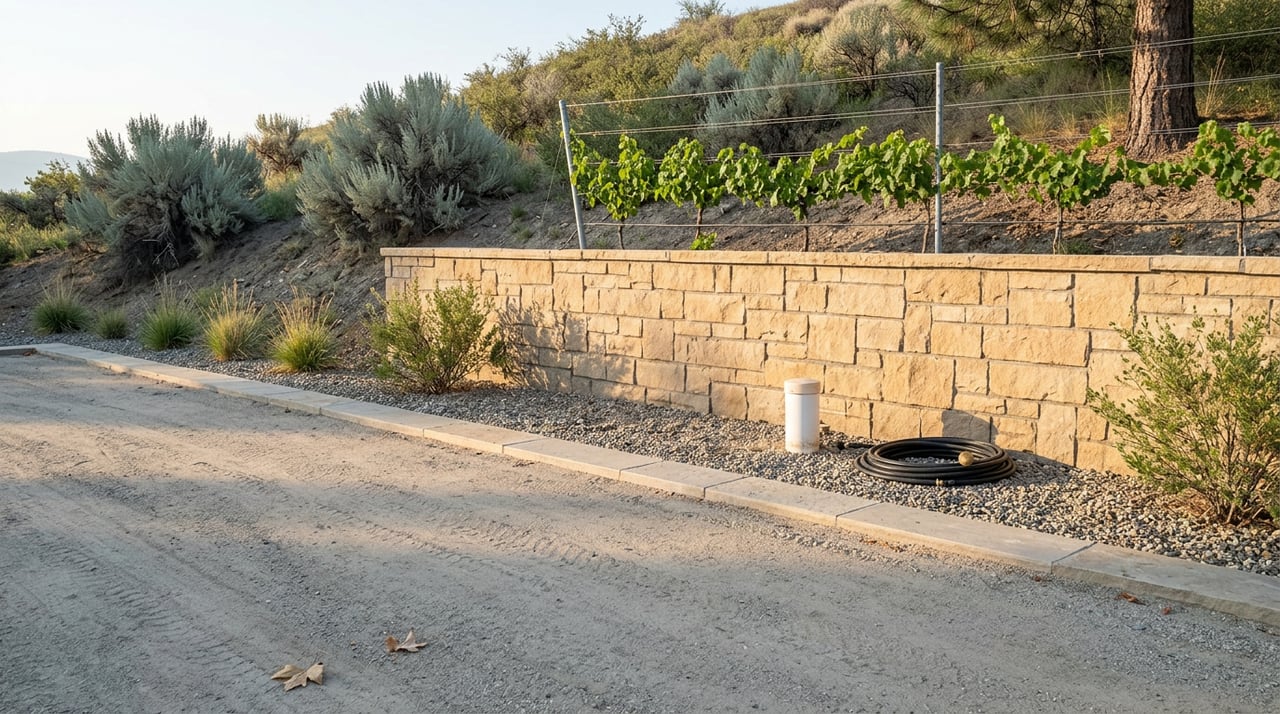
Site preparation on undeveloped land, especially sloped land, is one of the widest cost ranges in residential construction, and one of the least visible until you're under contract. A flat, previously cleared lot might need a few thousand dollars of finish grading. A steep, wooded, or rocky parcel can run $50,000 to $75,000 or more before a single wall goes up, once you count clearing, cut-and-fill excavation, drainage, and utility trenching. Grading alone, separate from clearing or utilities, typically adds $17,400 to $43,600 per acre depending on slope and soil.
A custom home builder in Western North Carolina put real numbers on this earlier this summer in a way that sticks with me: the same house plan, built by the same crew, cost $50,000 in foundation work on one lot and $250,000 on the neighboring one. Same design. Different ground. That gap is the entire argument for why a lower list price on raw land can be an illusion, and it's a pattern that shows up wherever people build custom homes on hillside terrain, not just in the Carolinas.
Here's roughly where that money goes on a typical undeveloped South Shore-area parcel:
| Site work item | Typical range |
|---|---|
| Grading and cut-and-fill (sloped lot) | $17,400 to $43,600 per acre |
| Land clearing | $1,200 to $8,000 per acre |
| Geotechnical/soil report | $2,000 to $5,000 |
| Storm drainage engineering and install | $1,500 to $11,000 |
| Utility trenching (water, sewer, power) | $5,000 to $20,000 |
Add those up on a rough, unimproved slope and you can land anywhere from $30,000 to well over $75,000 before your builder pours a footing. None of that shows up on the land listing. It shows up on the excavation bid, weeks after you've already closed.
What a Marita's Vineyard Estates Lot Already Paid For
I list Marita's Vineyard Estates, so I'll say plainly what the community's own project details spell out: the 21 lots there are already graded, level, and ready for foundations, which the developer describes as saving buyers "tens of thousands" on site work most raw-lot buyers pay for later. Each of the parcels runs 12,000 to 18,000 square feet, roughly a third of an acre, and every one comes with engineered storm drain stub-ups already in place and soil compaction already certified. That second item alone typically replaces a $2,000 to $5,000 geotechnical study most builders require before they'll commit to a foundation design.
Water, sewer, power, and fiber are stubbed to each lot from public utilities, and the community's own irrigation water is stubbed in as well. Fire hydrants sit in the plat, served by Chelan County Fire & Rescue District 7. None of this is marketing language dressed up. It's the line-item work that a raw-lot buyer either does themselves or discovers they still owe once the bid comes back.
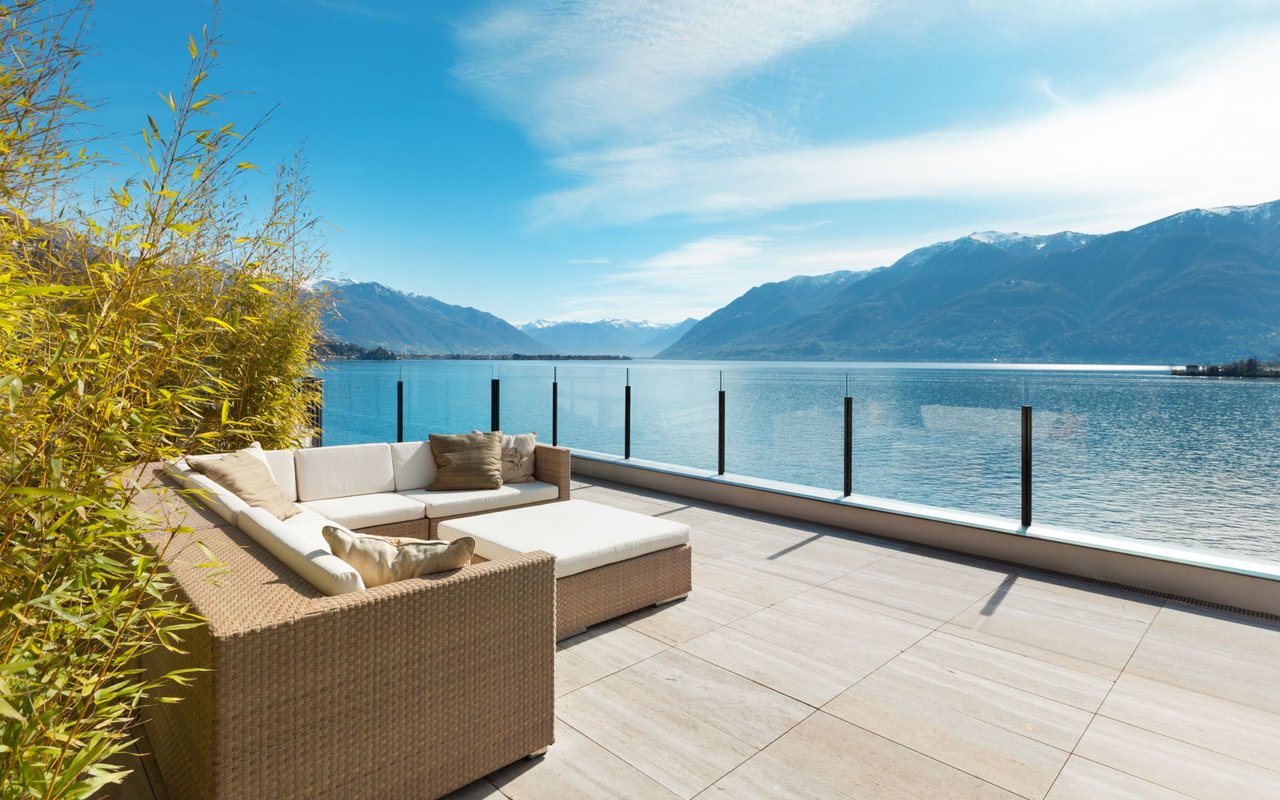
The location matters here too, and not just for the view. Marita's sits just west of the junction of Highway 97A and 971, along what locals call the South Shore's "Golden Mile," a stretch close enough to walk or bike to several of the area's wineries and restaurants, and to the small, well-known Pat & Mike's convenience store and drive-in for something as simple as ice cream on a summer evening. That proximity is part of what separates this pocket of the South Shore from more remote acreage further up the valley, where the view might be just as good but the nearest amenity is a twenty-minute drive.
The community also carries an unincorporated Chelan County address, which typically means a lower tax rate than parcels inside city limits, on top of easy access to Wenatchee, the regional airport, and the mountain passes for anyone splitting time between the lake and elsewhere.
The Comparison Buyers Actually Need to Run
None of this means every raw lot in the Chelan Valley is a bad buy, or that a pre-graded lot is automatically the better deal regardless of price. Plenty of buyers want acreage, privacy, or a specific parcel that isn't inside any plat, and they're willing to manage the site work themselves. That's a legitimate choice. The mistake is comparing a raw lot's list price directly against a finished lot's list price and concluding the cheaper number wins.
The honest comparison adds the missing line item back in. Take the raw lot's asking price, then estimate grading, soil work, drainage, and utility trenching using the ranges above, adjusted for that specific parcel's slope and access. Only after that addition do the two numbers mean the same thing. On sloped South Shore terrain, that addition is rarely small, and it's the reason a lot that looks like the more expensive option on a listing sheet can turn out to be the cheaper one to actually build on.
What the Covenants Are Actually Protecting
There's a second piece to this that has nothing to do with site work and everything to do with resale. Marita's Vineyard Estates operates under CCRs governing quality of construction, on top of the community's gated access, private landscaped street, and guest parking. Covenants like these get treated as a restriction by some buyers and a feature by others, and the difference usually comes down to what happens five or ten years down the road. A community where every home meets a baseline construction standard tends to hold its comparative value better than a scattered mix of raw parcels where the neighboring lot could end up with anything from a modest cabin to an unfinished shell. If you're building to live in the home for decades, that matters less. If you're building with resale in mind, it's worth weighing alongside the site-prep math.
A Few Questions Worth Asking Before You Compare Lots
If a lot is already soil-compaction certified, do I still need my own geotechnical report? Most lenders and some county permitting offices will still want documentation tied to your specific foundation plan, but a certified, already-compacted site means that report is confirming known ground conditions rather than uncovering unknown ones, which is a very different, usually faster and cheaper, process.
Does "grading and site prep done" mean my builder skips permits entirely? No. Building permits, foundation design, and utility connection permits still go through the county regardless of how ready the lot is. What changes is the risk and cost of the underlying earthwork, not the paperwork on top of it.
Is a pre-graded lot always the cheaper path? Not always, but on sloped or wooded South Shore terrain specifically, it's the direction the math tends to point once site prep is priced in honestly rather than left out of the comparison.
If you're weighing a lot on the South Shore against something further out in the valley, run the full comparison before you decide, not after the excavation bid lands. I'd rather walk you through what a specific parcel actually costs to build on, Marita's or otherwise, than have you find out the hard way. Let's Connect and go through the numbers together.